


Unsere Geschichte
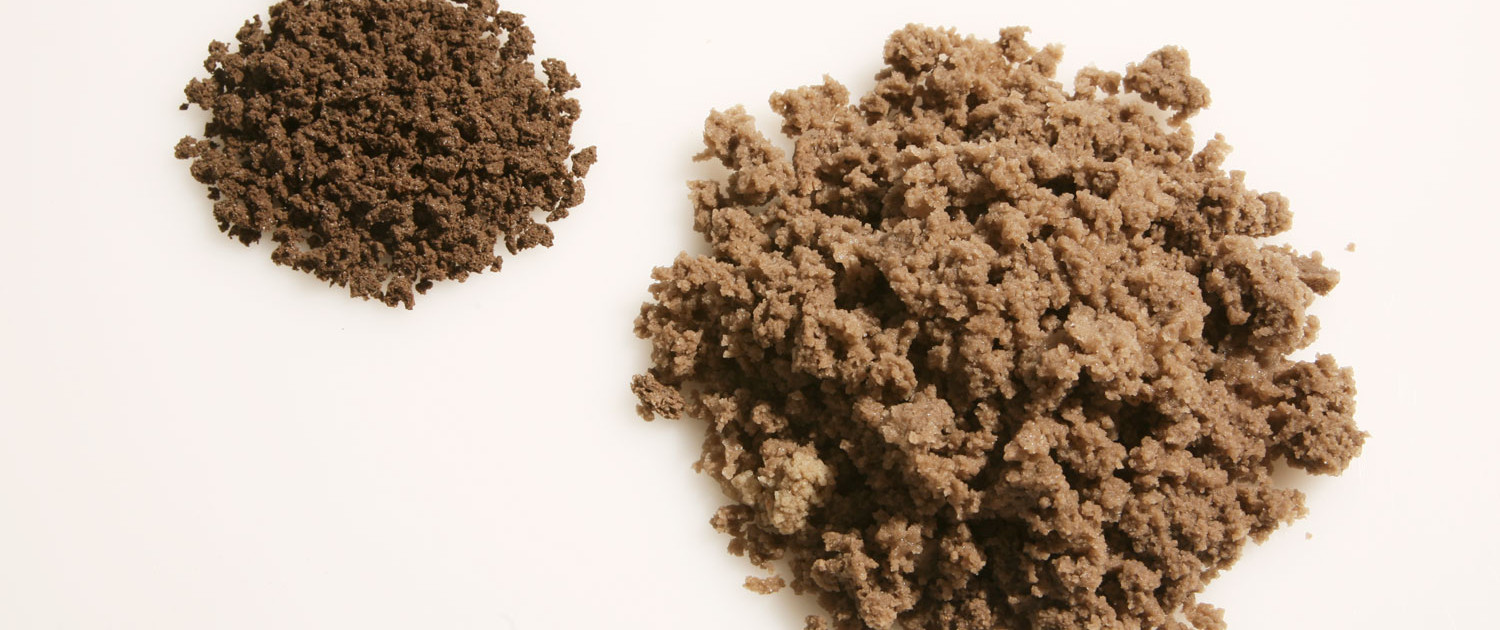
Seit 2005 entwickeln wir maßgeschneiderte Granulate zur Bodenverbesserung. Dazu setzen wir innovative organische Superabsorber mit Gesteinsmehlen und Tonmineralien ein, die je nach Boden- und Pflanzenart angepasst werden können. Wasser, Nährstoffe, Luft und Bodenleben machen einen gesunden und fruchtbaren Boden aus. Je nach Bodentyp und Anwendungsbereich optimieren wir diese vier Disziplinen durch die Zusammensetzung des Granulats. Mit Wasser nimmt die Pflanze Nährstoffe effizient auf, Auswaschungen werden verringert, ausgewogenes Bodenleben kann vor Schadorganismen schützen und Nährstoffaufnahme verbessern, poröse Materialien und das Quellverhalten schaffen Luftkapazität.
Mit umfassender Forschung und Entwicklung und unserem Wissen um Bodenphysik, organische und anorganische Chemie und Pflanzenkunde decken wir zwei Geschäftsbereiche ab: Zum einen entwickeln wir maßgeschneiderte Granulate für eine Vielzahl von Kunden und Aufgabenstellungen. Zum anderen bieten wir unseren Partnern umfassenden Technologietransfer zur Produktionstechnik und Anpassung der Rezepte auf lokale Rohstoffe an. Gemeinsam tragen wir so zu einem nachhaltigen Geschäftsmodell bei.
Think and invent global, produce and act local.
Team
Wir sind ein hochqualifiziertes und engmaschig vernetztes Team verschiedener Disziplinen. Mit Kompetenz, Wissen und Kreativität arbeiten wir an unseren Aufgaben und Zielen: Die nachhaltige Nutzung knapper Ressourcen und die Entwicklung innovativer, neuer Werkstoffe.

Wir schaffen innovative Produkte und die Technologien zu deren Herstellung. Bodenverbesserung, effiziente Düngertechnologie und technische Anwendungen sind unsere Geschäftsfelder.
Kompetenzfelder
Produktionsanlagen + Technologietransfer
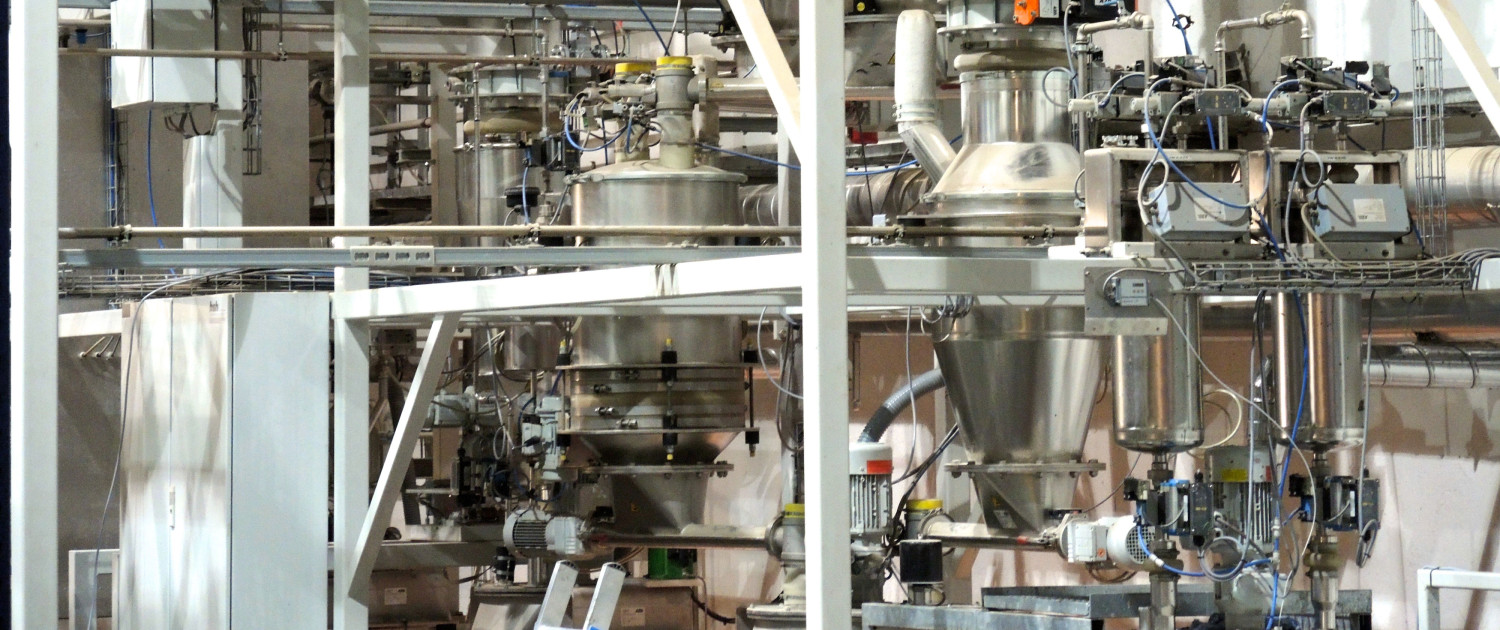
Produktionsanlagen
- Engineering
- Großtechnische Fertigung
- Qualitätsmanagement
- Lohnproduktion
Technologietransfer
- Aufbau und Inbetriebnahme regionaler Produktionsstätten
- Rezepturanpassung an regionale Märkte
- Consulting
- Training
Forschung + Entwicklung
- Technische Produkte (Baustoffe, etc.)
- Speichermaterialien zur Bodenverbesserung (Dünger, Bodenhilfsstoffe, Wasserspeicher, Reitböden)
Entwicklung neuer Technologien in den Bereichen
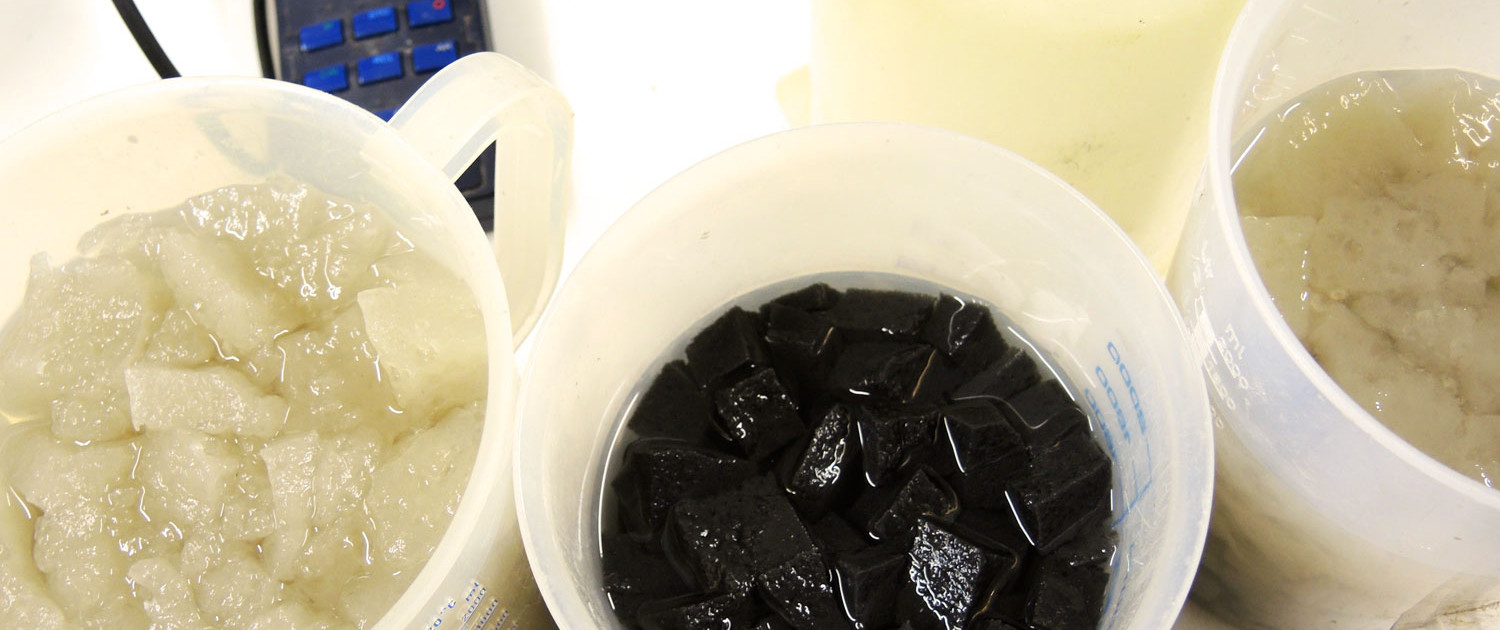
- Superabsorbierender Polymere (SAP)
- Acrylatchemie
- Hydrogele
- Composite
Eigene Produktion
- Geohumus (Bodenhilfsstoffe, Wasserspeicher)
- Geohorse (Reitböden)
- Phytopower (Dünger, Bodenhilfsstoffe, Wasserspeicher)